Fishing
The Rivers
Secure River
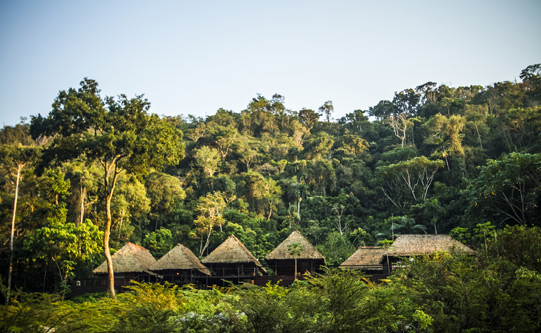
The most important tributary of the Isiboro River (Madeira/Amazon basin), running 497 km from the confluence of the Nutusama and Cascarrillas streams. Within Tsimane, it splits into three sectors: upper and middle (fished from Secure Lodge) and lower (fished from Pluma Lodge).
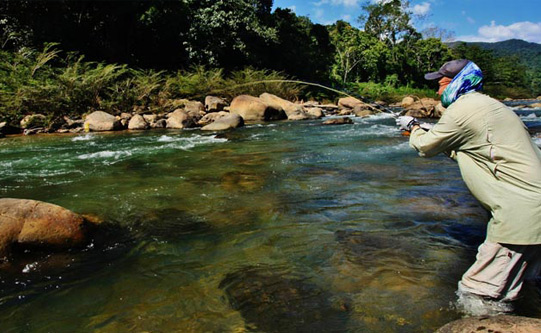
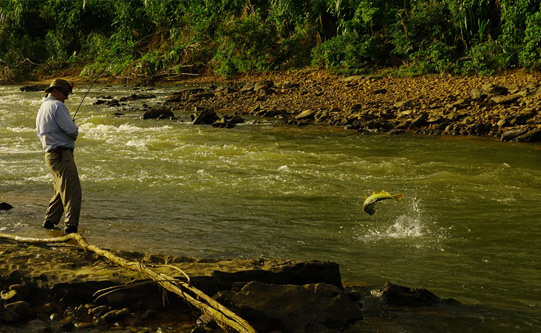
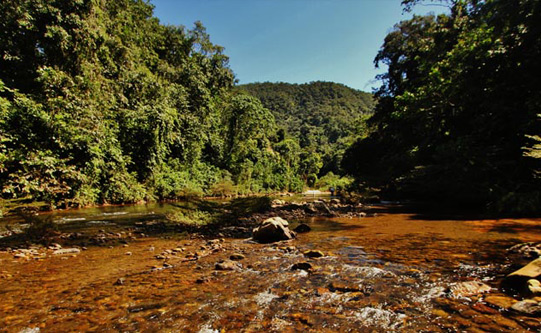
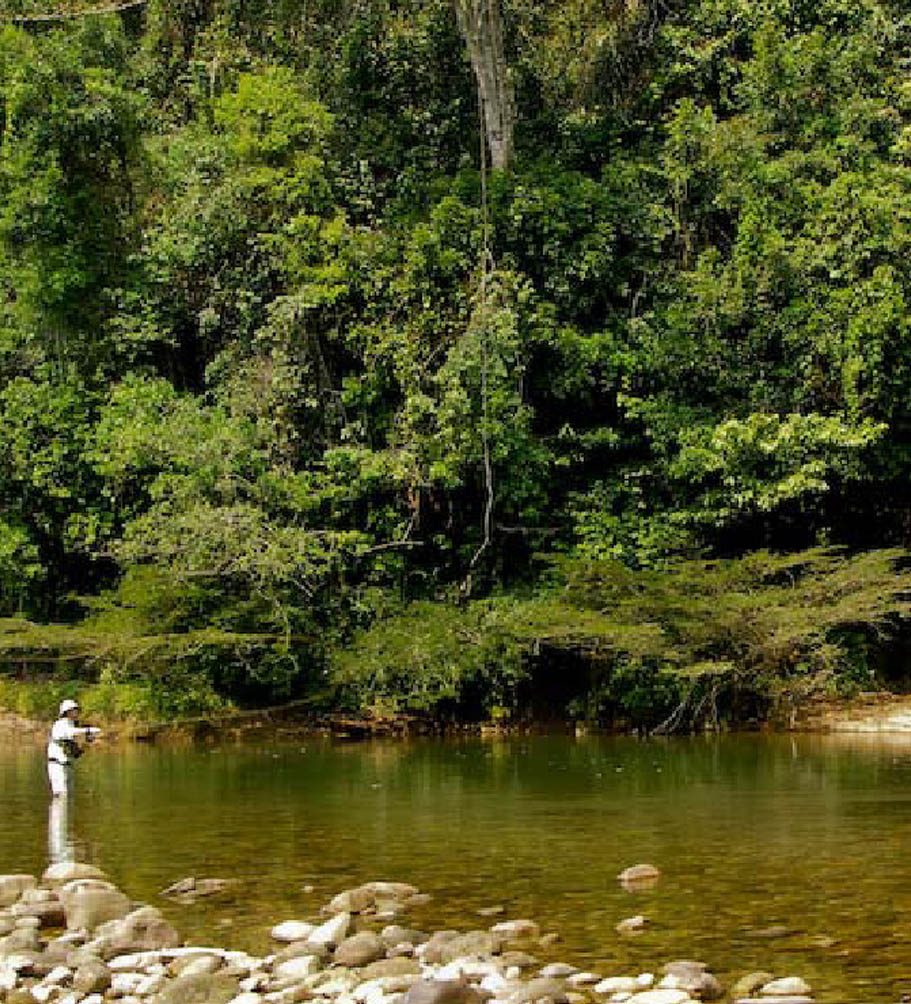
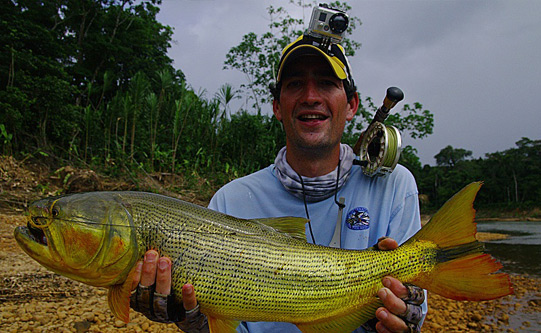
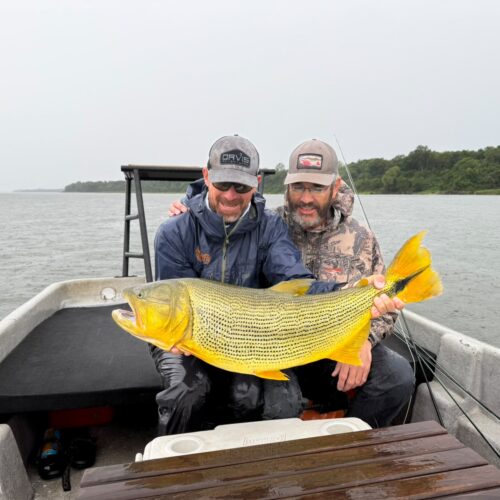
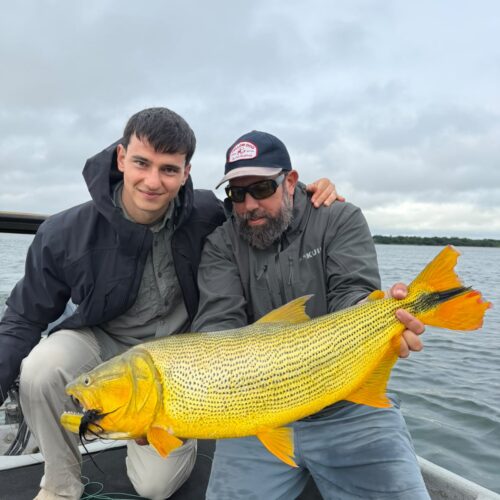
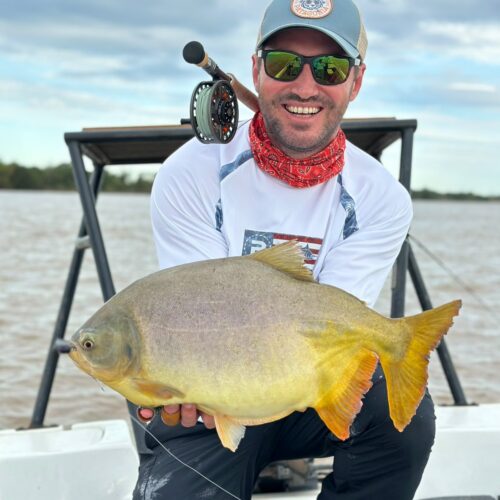
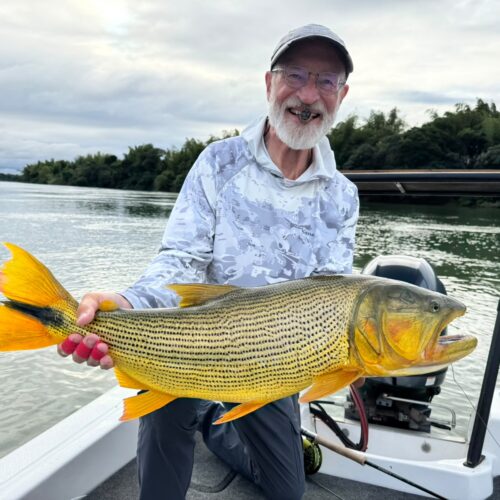
Upper Secure River – Upstream of Secure Lodge, crystal clear and wedged among mountains for intimate jungle contact. Transport is by handmade Chiman dugout canoes (coambas). Fishing is done by walking and wading upstream, almost like hunting. The Out Camp (Mini Lodge) offers access to smaller tributaries with excellent sight-casting, especially mid- to late season, and to trophy dorados over 20 lbs. Further up, the water becomes prime pirapitinga territory, and the wildest headwaters hold large schools of fish and enormous catfish.
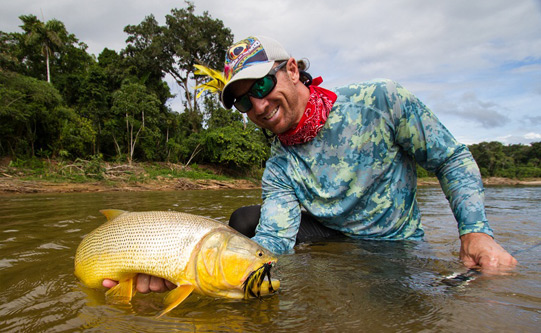
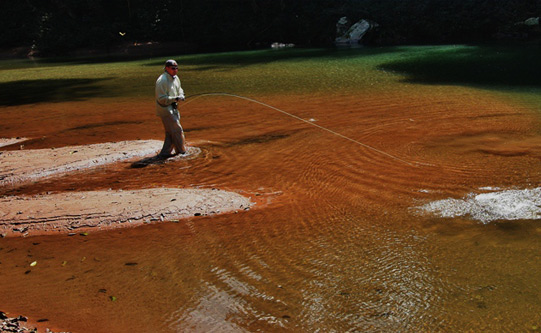
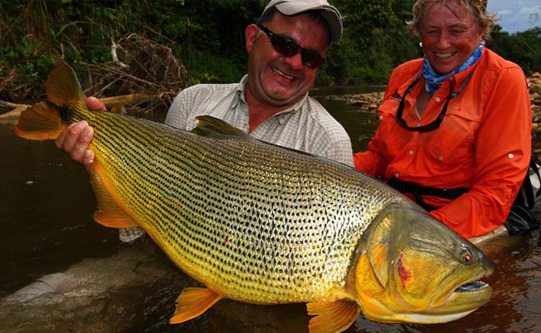
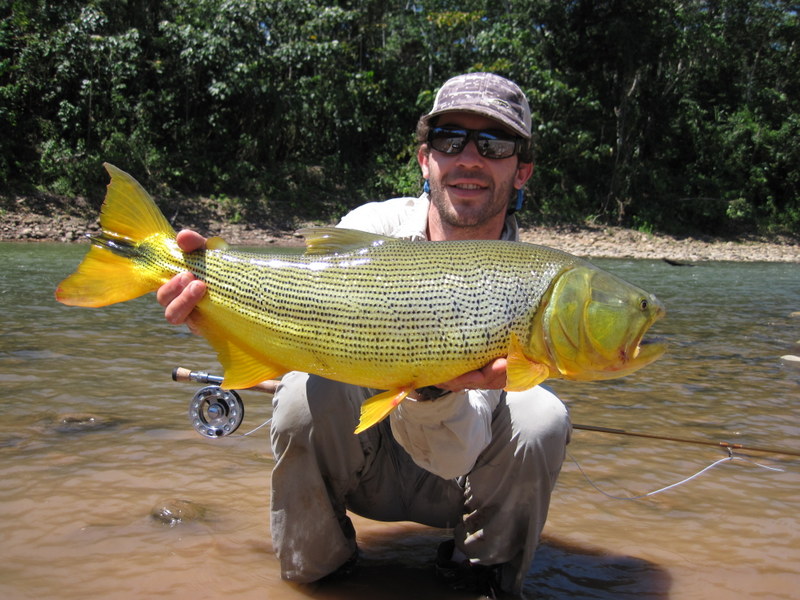
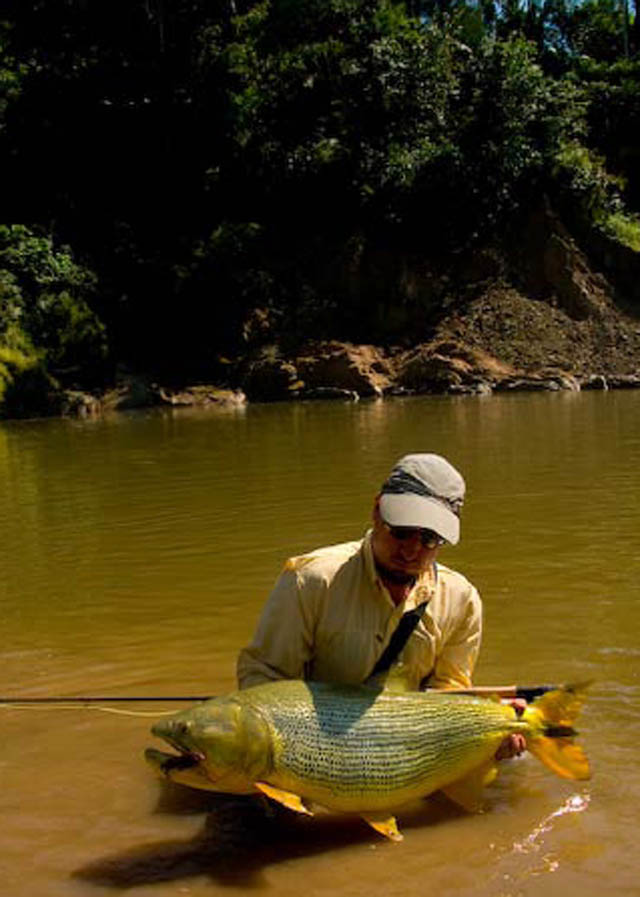
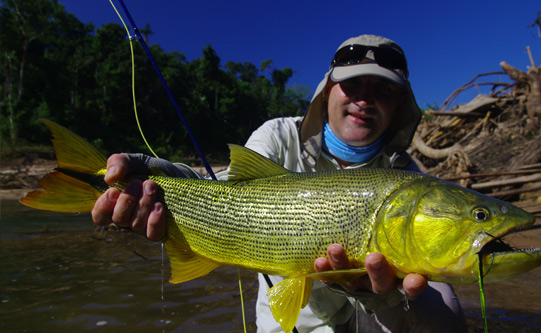
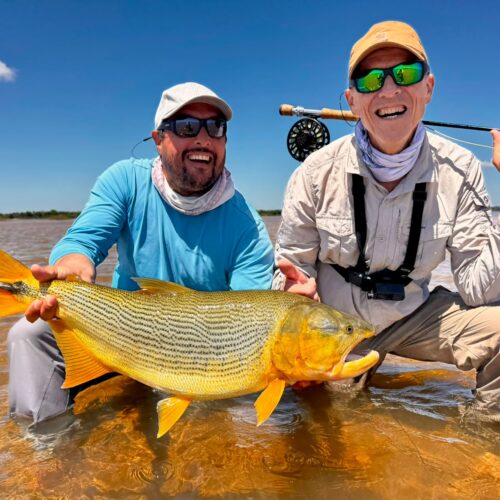
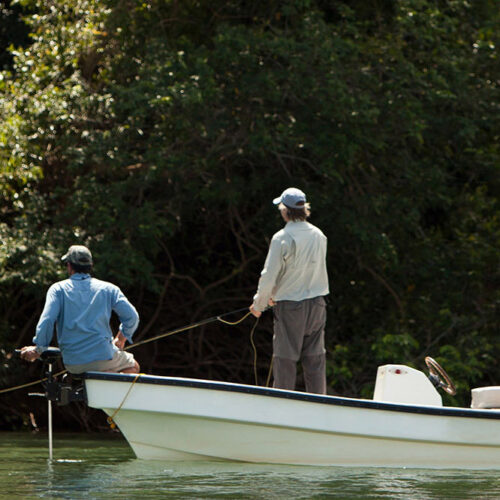
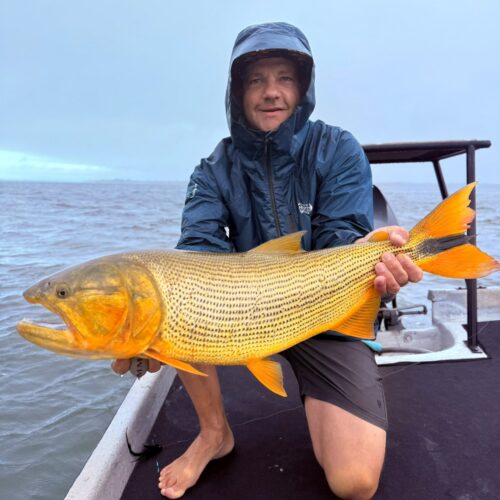
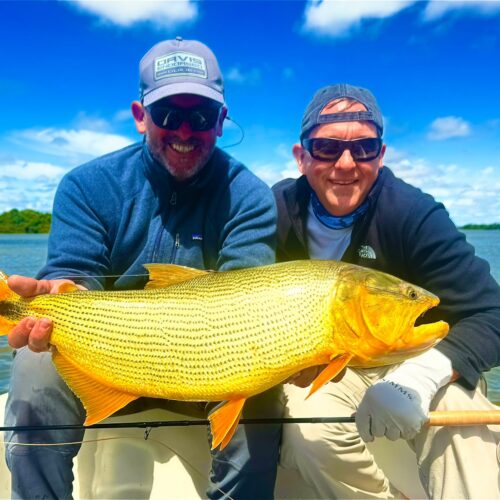
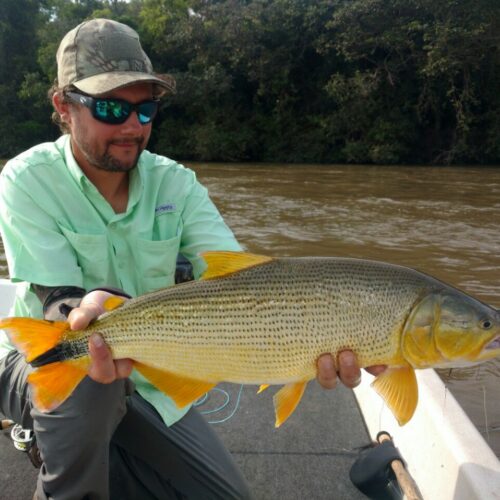
Middle Secure River – From Secure Lodge to the Aguas Negras confluence: shallow, open, and stained with sediment. Dorados are the undisputed kings, sustained by an abundance of sabalos (baitfish). This is the easiest and most consistent water all season, fished by prospecting runs, casting to coastal logs, or sight casting into feeding frenzies. It’s the ideal counterpoint to the more technical upper sector.
Pluma Lodge Waters
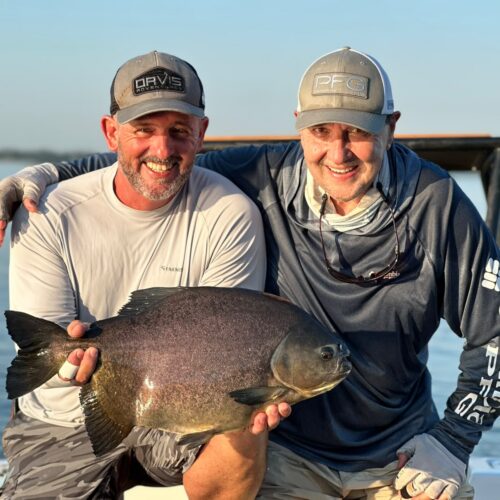
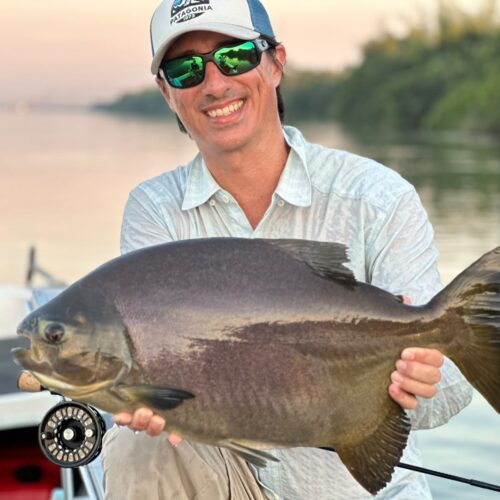
Access to three diametrically different rivers, with the largest number of dorados in Tsimane, plus pirapitingas, yatoranas, and catfish like tiger surubi and paleta.
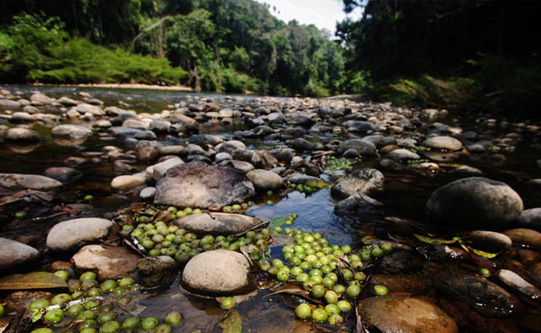
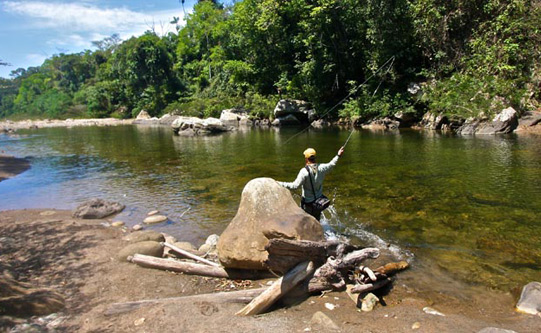
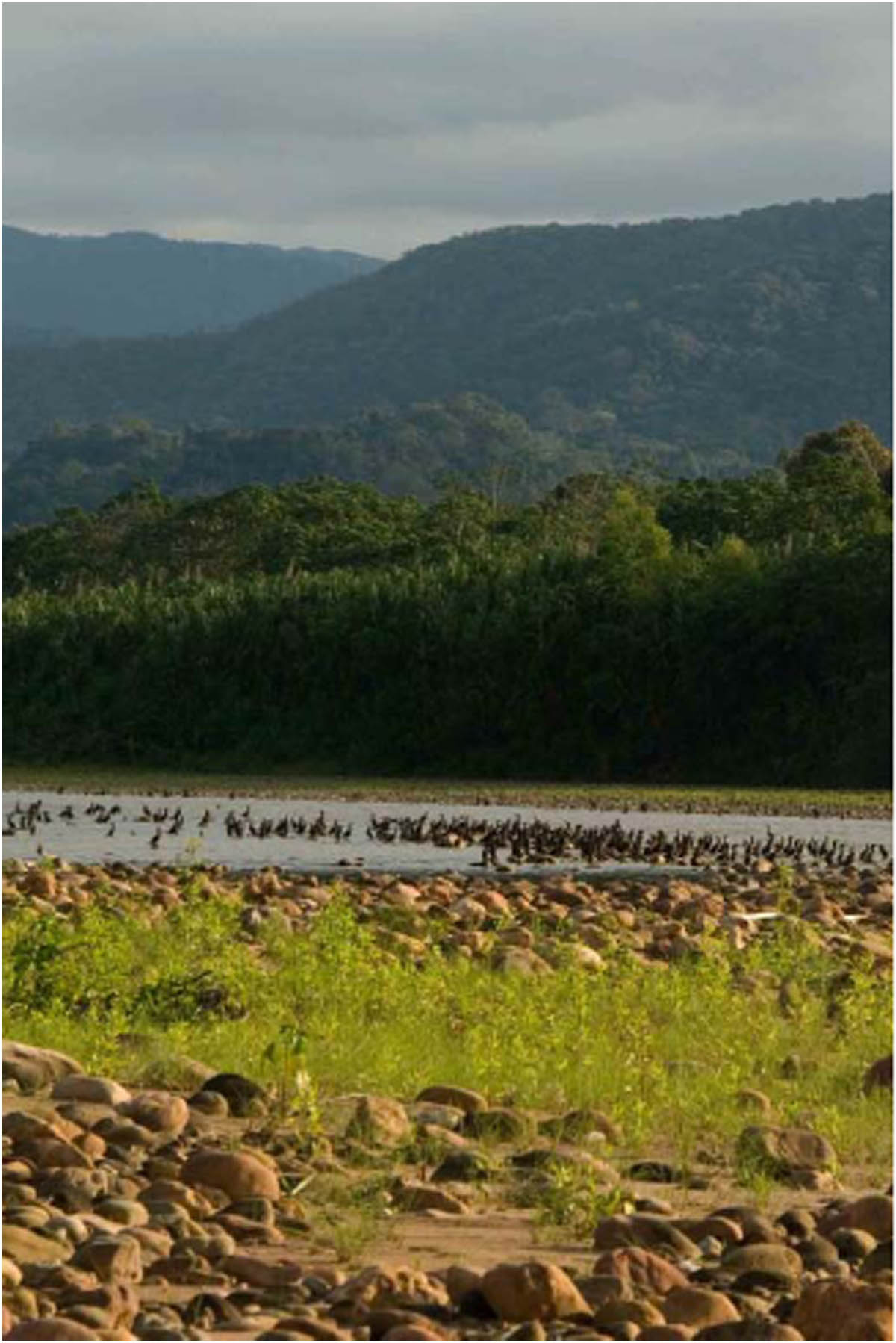
Pluma River – A wide, crystal-clear freestone river, easy to wade, running south to north, parallel to the Mosetenes Range. Home to all four main species, the lower sector is dominated by dorados, while omnivores gather in the upper sector.
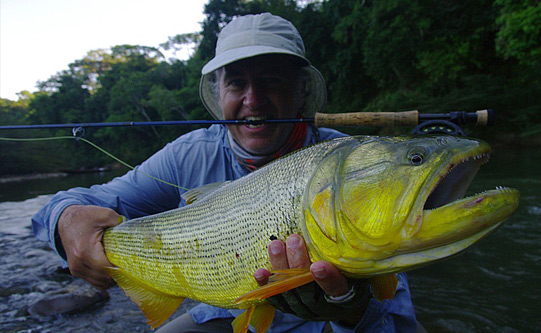
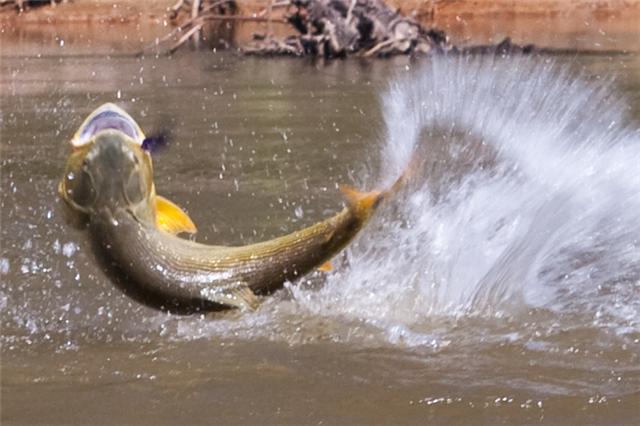
Upper Pluma River – Trout-stream structure of stones, runs, boulders, and clear pools. Sight-casting for dorados with surface flies (Titanic Sliders, Poppers, Divers, mouse imitations), plus big pirapitingas and paleta higher up. Tsimane’s best odds at a Grand Slam or Super Grand Slam.
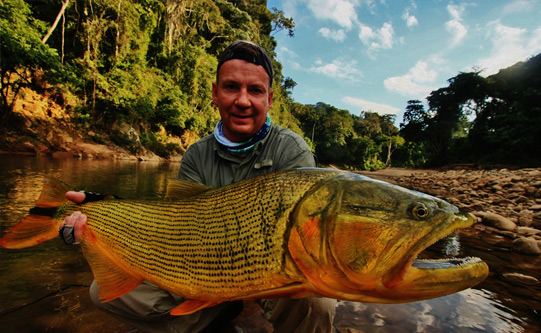
Pluma/Secure Junction – Plain-region water with sunken logs, home to Coruya, one of Tsimane’s most active beats. The Delta widens into branches and islands where, when sabalos arrive, dorados hunt so aggressively that cannibalism is common. Downstream, Coruya’s limestone-cliff waters hold Tsimane’s most powerful fish (reinforced gear recommended: rod #9-10, 40-lb tippet).
Itirizama River
Often called “the jewel in the crown.” A cold, transparent mountain stream running west to east through rugged valleys full of rapids, waterfalls, and boulders. The hardest walks in Tsimane require good fitness, but the reward is fewer, higher-quality fish, including very large dorados taken as delicately as a trout on a mayfly. Large schools of big pirapitingas lie about three hours from the lodge.
Agua Negra River
A clear, shallow tributary of the Secure, easy to wade. The lower sector meanders through sandy beaches and deep runs that hold dorado and yatoranas, ideal for sight-casting during feeding frenzies. The high sector – one of Tsimane’s jewels – has clear, shallow water and a rocky bottom perfect for spotting dorados, pacues, and surubi; success requires a floating line, long leaders, and delicate presentation.
Chimoro River
A small, crystal-clear stream holding average-sized dorados (up to 15 lbs) and plenty of yatoranas. Best enjoyed with light gear (rod #5) and small or dry flies; landing a 12-lb dorado here is unforgettable.
Expected Weather and Clothing
Even in winter, days are hot (20-35 C), with cool nights and mornings when a fleece is useful. Occasional short, strong rains arrive with a south wind and a sharp temperature drop. Since anglers wet-wade roughly 99% of the time, pack a dry bag with insulating underwear, an extra shirt, a fleece, and a lightweight Gore-Tex rain jacket and pants.